







Search Results for: White Tea Grading
The Evolution of the White Tea Market and an Analysis of Fuding Varieties: Sorting Out the Grading System from Silver Needle Tribute Tea to Global Production Expansion
White tea has seen continuously rising popularity in the global tea market in recent years, evolving from a single-origin landscape centered on Fuding and Zhenghe a decade ago into a complex category spanning multiple producing regions including Kenya, Rwanda, India, and Vietnam. Silver Needle, White Peony, and Shoumei — the three traditional categories — form the basic framework of white tea, classified by the selection standard of buds and leaves rather than by depth of color. This article will systematically examine the varietal characteristics of Fuding white tea, its historical origins, the logic behind its grading system, and the blurring of category boundaries brought about by the global expansion of white tea supply, helping coffee and tea enthusiasts gain a deeper understanding of this tea type that combines scarcity with health properties. Front Street Coffee, as a brand focused on direct sourcing from producing regions, has carried on its traceability philosophy in its white tea selection as well. [more…]
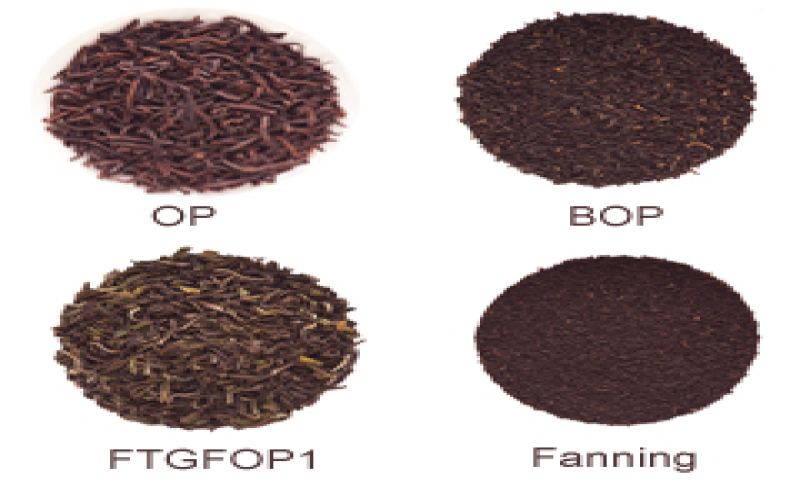
Loose Leaf OP Black Tea vs. Tea Bag Broken Leaf Tea: An Analysis of Grade Hierarchy and Flavor Differences
After tea leaves are processed, they are graded based on physical characteristics such as size and color, but grading does not directly equate to brewing quality. Indian black tea has the most rigorous grading system, in which Orange Pekoe (OP) is a basic term derived from the Chinese word for "white down" and has nothing to do with orange flavor. Black tea is divided into four categories: whole leaf, broken leaf, fannings, and dust. Whole-leaf grades range from OP to SFTGFOP1, with quality improving grade by grade; the broken-leaf grade BOP retains more whole-leaf quality and is often used for blending; finer tea powder is mostly used for tea bags and ready-to-drink beverages. Although loose-leaf tea and tea bags come from the same source, there are significant differences between orthodox processing and CTC processing, with the former having a more complex flavor. Front Street Coffee has always advocated choosing loose-leaf tea in order to enjoy the visual appeal and pure taste of whole tea leaves. [more…]
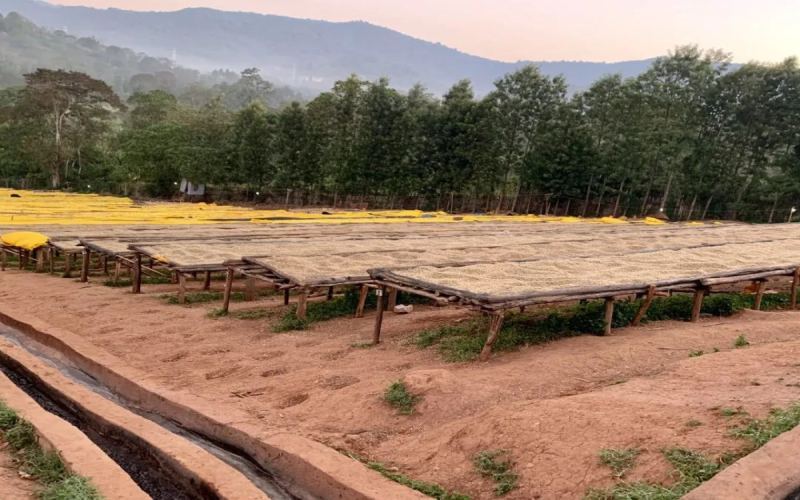
Why does Yirgacheffe display white floral aromas and citric acidity? Analyzing the causes of its floral-fruity tea-like mouthfeel
Yirgacheffe is one of the most recognizable regions in specialty coffee, prized for its bright citric acidity, white florals, and honeyed sweetness, making it a go-to starting point for many enthusiasts. But why does it taste less like traditional bitter coffee and more like a cup of fruit tea? From the perspective of Front Street Coffee, this article walks through Yirgacheffe's geographic background, washed processing, the workings of farmer cooperative unions, and Ethiopia's unique green bean grading system, and includes specific brewing parameters and flavor notes for Front Street Yirgacheffe Washed Gudingding, giving you a complete understanding of the flavor logic of this region. [more…]
A Detailed Explanation of Black Tea Grading: How to Distinguish First, Second, and Third Grades and a Comparison of Chinese and Foreign Standards
As a fully fermented tea, black tea does not have a globally unified grading system; instead, it varies by origin and standard. This article begins with the grading methods for Chinese black tea, explains how leaf size and granularity affect the grade, and compares the differences between domestic and international standards. It also explains the commercial nature of labels such as "Special Grade" and "Premium," as well as professional terms like "tea tips" and "golden needle tips." The article also mentions well-known varieties such as Keemun black tea and Congou black tea, as well as the origins of Indian and Sri Lankan black tea. By understanding this knowledge, coffee enthusiasts can also view the relationship between tea quality and grade more rationally. [more…]
Is Darjeeling tea only black tea? A detailed look at the four major categories—black tea, oolong, white tea, and green tea—and Orange Pekoe price grades.
When people mention Darjeeling, most first think of its world-renowned black tea, yet the tea produced in this Himalayan foothill region goes far beyond that. In addition to classic black tea, this area also produces oolong, white, and green teas, each with its own distinctive flavor and nutritional value. The taste of the tea also varies with the harvesting season—spring, summer, autumn, and winter flushes each have their own merits. Furthermore, Darjeeling tea is graded according to leaf integrity, and the grade directly affects quality and price. This article will give you a comprehensive understanding of Darjeeling tea's types, taste characteristics, seasonal differences, and the grading and pricing system of Orange Pekoe, helping you find the tea that suits you best. [more…]
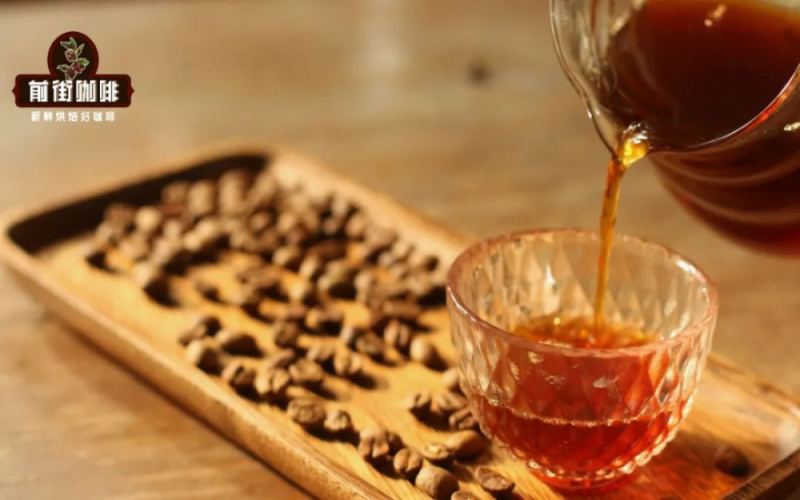
A Complete Guide to Peru's Coffee Regions: Variety Distribution, Grading and Processing, and Flavor Recommendations for Cajamarca Geisha
Peruvian coffee has long played a low-key role on the international stage, yet it boasts the unique growing conditions of the Andes Mountains and a rich heritage of old varieties. This article systematically reviews the historical development of Peruvian coffee, the distribution of its three major producing regions in the north, center, and south, the altitude and variety structure, washed processing and grading systems, and provides an in-depth introduction to the terroir advantages of the Cajamarca region. Finally, the article presents the Peru · Cajamarca Washed Geisha sourced by Front Street Coffee, offering a complete picture from the roasting curve to the cupping flavors, showcasing the white floral notes, prunes, citrus, and black tea finish of this bean, providing coffee enthusiasts with a practical reference for purchasing and tasting. [more…]
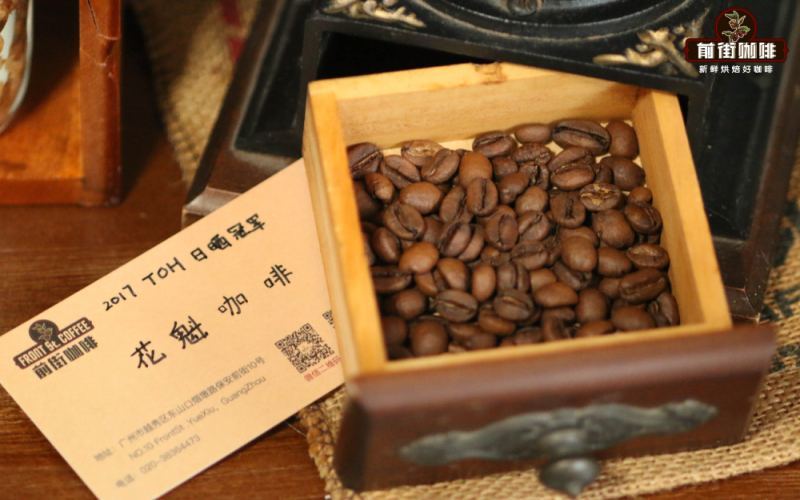
Ethiopia Sidamo Huakui Coffee Bean Origin Flavor Analysis and Australian White SOE Preparation Method
Sidamo Huakui is one of the most recognizable coffees among Ethiopian heirloom varieties, known for its bold aroma and high sweetness, and it once took first place in the natural group cupping of the 2017 harvest. It uses only fully red cherries and adopts slow drying on African raised beds with long low-temperature fermentation. In its wet aroma, winey and floral notes intertwine, and as a pour-over it tastes like a cup of strawberry fruit tea. This article will outline Huakui's origin background, grading standards, and the differences between washed and natural processing, and share how Front Street Coffee uses Huakui 8.0 to make an SOE flat white with a small cup volume, thin milk foam, and a ristretto base, taking you from the source to the cup for a complete understanding of this bean. [more…]
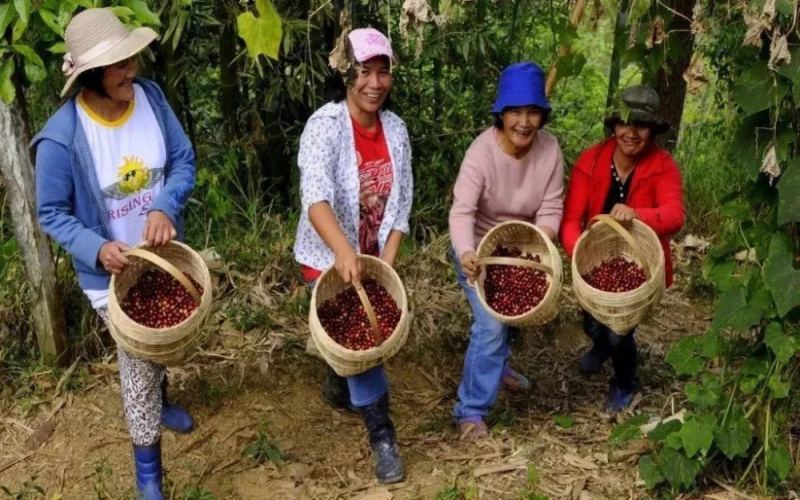
The Hidden Coffee Gem of South America: Peru — From Andean Terroir to the Flavor Code of Cajamarca Washed Geisha
Among the many coffee-producing countries in South America, Peru is often overshadowed by the limelight of Colombia and Brazil, yet thanks to the high altitudes of the Andes, volcanic soil, and varied climate, it produces clean, mild specialty coffee with balanced acidity and sweetness. This article starts from Peru's geography and climate, sorts out the flavor differences among its three major producing regions—north, center, and south—analyzes the grading system centered on altitude and hardness as well as the washed processing method, and then steps into the northern specialty coffee stronghold of Cajamarca, where, through a washed Geisha sourced by Front Street Coffee, one can experience the captivating layers of white floral notes, prunes, and black tea. [more…]
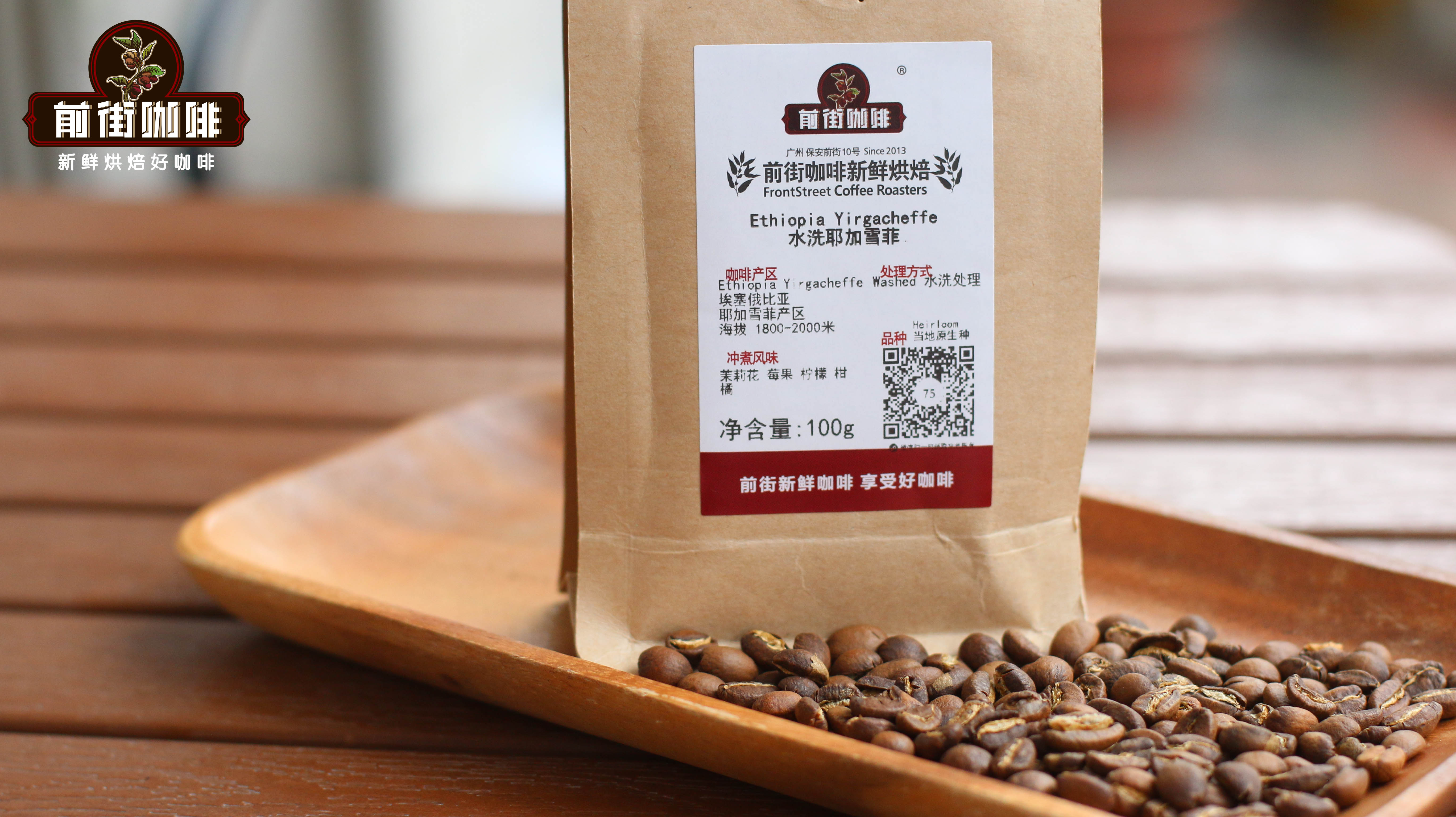
Yirgacheffe Coffee Bean Varieties and Grading Explained | Front Street Washed Guddina Floral Brewing Tips
Why are coffee beans from Ethiopia's Yirgacheffe region so uneven in size? What is the story behind the local native Heirloom varieties? From the perspective of Front Street Coffee, this article systematically sorts out Ethiopian coffee variety classification, the causes of Yirgacheffe's signature flavors, and the ECX grading system, and uses Front Street washed Gedeb cooperative coffee beans as an example to explain in detail the four key brewing points—water temperature, grind size, coffee-to-water ratio, and pouring technique—to help you brew a cup of Yirgacheffe with white floral aromas and bright citrus sweetness. [more…]
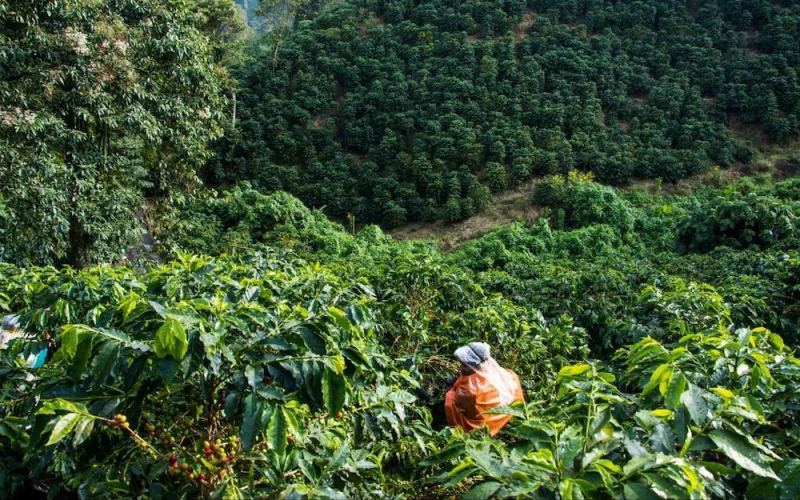
Ethiopian Coffee Flavor and Bean Variety Grading Explained: A Comprehensive Analysis of Heirloom Varieties, Regional Landraces, and Numeric Varieties
As the birthplace of Arabica coffee, the forests of southwestern Ethiopia nurture countless coffee varieties, which gives the local coffee a unique flavor that is hard to replicate. Because the varieties are extremely diverse, it is difficult for the government to name them one by one, so they are mostly referred to collectively as "heirloom varieties." On this basis, regional varieties and numbered lines beginning with 74 and 75 have also emerged. The grading of Ethiopian coffee beans is based on the number of defective beans, with five grades from G1 to G5, among which G1 and G2 are the highest quality. This time, Front Street Coffee uses washed Yirgacheffe G2 as the representative everyday coffee of the Ethiopian region, presenting the classic flavor of intertwined citrus, white flowers, honey, and tea-like notes, and also includes pour-over suggestions and bean-resting instructions to help coffee lovers gain a more complete understanding of the charm of Ethiopian coffee. [more…]
Ethiopia Sidamo: The Differences Between Natural and Washed Processing and a Complete Guide to Making Huakui SOE Flat White
The Sidamo region is known for its bright citrus acidity and full body, while Huakui, as a star among natural beans, has repeatedly earned high cupping scores thanks to its intense strawberry wine aroma. So what exactly are the differences between natural and washed processing? And what are the history and grading system of Sidamo like? Starting from the region's story, green bean grading, and a comparison of processing methods, this article will analyze in detail the flavor performance of Huakui 8.0 and share Front Street Coffee's complete workflow and parameters for making an SOE Australian White, giving you a comprehensive understanding of the unique charm of this Ethiopian heirloom variety. [more…]
The Grading System of Panama Geisha Coffee: A Full Analysis of the Origins and Flavors of Red Label, Green Label, and Blue Label
Geisha coffee is known as the "ceiling of the coffee world," and its elegant white floral aromas and bright citrus-honey sweetness have captivated countless coffee lovers. However, when faced with Hacienda La Esmeralda's three brands—Red Label, Green Label, and Blue Label—many people feel confused: What exactly are the differences between them? This article will begin with the historical origins of Geisha, tracing the legendary journey of this variety from Ethiopia's wild forests to Panama's Hacienda La Esmeralda, and will analyze one by one the grading standards, producing plots, and flavor characteristics of Hacienda La Esmeralda's three major Geisha brands. At the same time, Front Street Coffee will also share product information on two popular Geisha coffees in-store, Red Label and Green Label, to help everyone have a clearer reference when making everyday purchases. [more…]
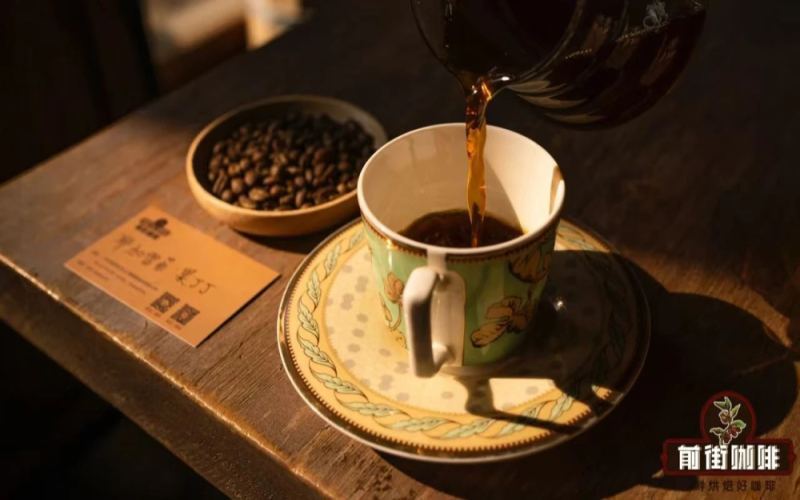
Flavor Analysis of Yirgacheffe Hand-Brewed Black Coffee: Brewing Techniques and Taste Experience of Washed G2 Everyday Beans
Yirgacheffe pour-over coffee is a pure black coffee with no additives. This Yirgacheffe from Front Street Coffee is presented as a pour-over, featuring distinct white floral notes, fresh fruity acidity, and a delicate tea-like body with rich layers. This article provides a comprehensive analysis of the charm of this classic African coffee, covering its origin background, grading system, washed processing method, and specific brewing parameters. It also includes detailed brewing suggestions and flavor descriptions for Front Street Coffee's Yirgacheffe everyday drinking beans, helping coffee enthusiasts better understand and appreciate this coffee. [more…]
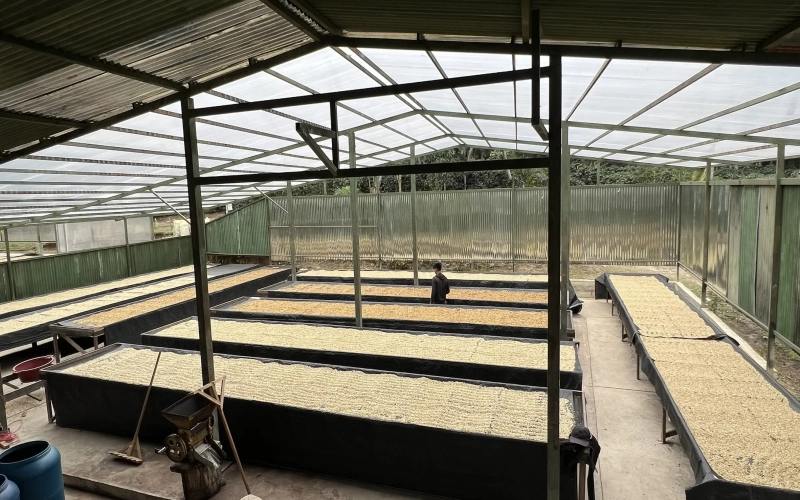
Peruvian Coffee Flavor and Pour-Over Full Analysis: From the Cajamarca Region to the Extraction Details of Washed Geisha
Among South American coffee-producing countries, Peru has carved out a differentiated path through its unique altitude-based grading system and washed processing techniques. The high-density beans brought by high altitudes give it a mild, balanced, clean and delicate flavor profile. This article begins with Peru's coffee variety structure, grading logic, and washed process, then gradually focuses on the northern specialty-producing region of Cajamarca, and uses a washed Geisha as an example to fully present Front Street Coffee's cupping impressions and pour-over recipe, including specific parameters such as the V60 dripper, 91℃ water temperature, and a 1:15 coffee-to-water ratio, helping coffee enthusiasts recreate at home the Peruvian flavor woven with white floral notes and prune-citrus. [more…]
A Comprehensive Analysis of Yirgacheffe Coffee Bean Flavor and Mouthfeel: Introduction to Pour-Over Parameters and Origin Characteristics
Yirgacheffe is one of Ethiopia's most representative specialty coffee regions, famous for its bright citrus acidity, white floral aromas, and honey sweetness. From the perspective of Front Street Coffee, this article systematically reviews Yirgacheffe's geographical background, regional divisions, grading system, and flavor characteristics, and provides a detailed introduction to the pour-over parameters and brewing techniques for Front Street Yirgacheffe Washed Gedeb. Whether you are a coffee enthusiast just getting started or a veteran looking for an everyday staple bean, you can learn why Yirgacheffe has become a classic representative of specialty coffee, and how to brew a clean, translucent cup of fruit-tea-style coffee at home. [more…]
Unveiling the Reasons Behind the High Price of Panama Geisha Coffee: A Full Analysis of Hacienda La Esmeralda's Red and Green Label Grading, Variety Characteristics, and Flavor Profile
Geisha coffee is known as the "ceiling of the coffee world." Its elegant white floral notes and bright orange-blossom honey sweetness captivate countless coffee lovers, yet its high price often keeps them at bay. From the perspective of Front Street, this article traces Geisha's complete journey—from its discovery in the Kaffa forests of Ethiopia, through Kenya and Costa Rica, to its eventual rise to fame at Hacienda La Esmeralda in Panama. It analyzes the multiple reasons behind Geisha's persistently high price, including low yields, fragile plants, and demanding growing conditions. It also provides a detailed explanation of Hacienda La Esmeralda's Red Label and Green Label grade classifications, growing plots, and flavor differences. Finally, it includes recommended medium-light roast pour-over parameters and a three-stage extraction method from Front Street Coffee baristas, offering a comprehensive understanding of this legendary coffee that resembles a "floral and fruity tea." [more…]
A Complete Guide to PEKOE Black Tea Grades: Why Are Most Top Ceylon Black Teas Broken Teas? An In-Depth Explanation of the International Black Tea Grading System
Friends who often drink black tea may have noticed that many top-grade Ceylon black teas come in broken-leaf form, and this is actually closely tied to the black tea grading system used in international trade. The term PEKOE originates from Fujian pekoe in China and was later adopted by British tea merchants as a designation for black tea grades. From whole-leaf tea to broken tea to tea dust, the international black tea grading system is detailed and rigorous: abbreviations such as FOP, GFOP, TGFOP, BOP, and FBOP each have their own meanings, and numerical suffixes also indicate differences in quality. This article will systematically sort out these grading terms to help you understand the letter combinations on packaging the next time you buy Ceylon black tea or Assam black tea, so you can find the one that suits your taste. It will also introduce Front Street Coffee's understanding of black tea selection for enthusiasts' reference. [more…]
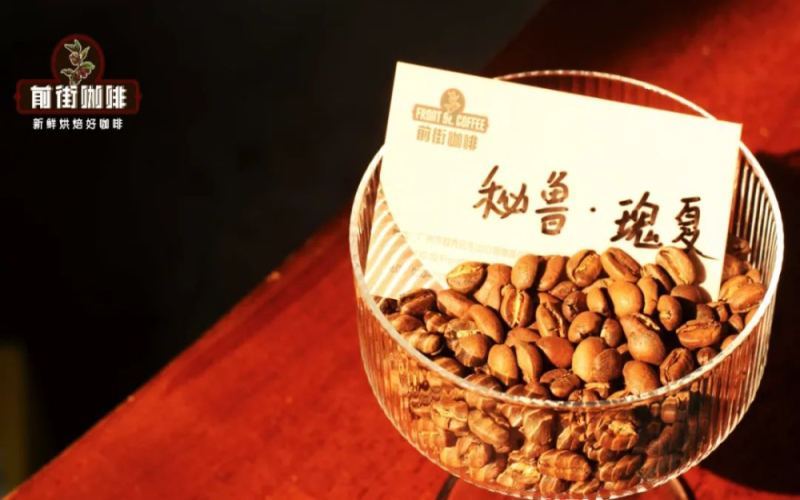
Why Is Peruvian Coffee Underrated? Exploring the Floral and Fruity Sweetness of Washed Geisha in the Cajamarca Region
When South American coffee is mentioned, most people first think of Colombia or Brazil, while Peru is often overlooked. In fact, Peruvian coffee is known for its rich flavor layers and mild, balanced body, and with its standout cleanliness in recent years, it is quickly making a name for itself in the international specialty market. This article will start with Peru's geographical conditions, coffee development history, grading system, and processing methods to introduce you to this "rising star." At the same time, Front Street Coffee has also acquired a washed Geisha from the northern Cajamarca region, and through actual cupping and brewing experience, we can appreciate the captivating flavors of white floral notes, prunes, citrus, and black tea interwoven together. If you want to know whether Peruvian coffee is actually good, you might as well start with this article. [more…]
A Comprehensive Analysis of Ethiopian Yirgacheffe Coffee Bean Varietal Characteristics, Flavor Grading, and Pour-Over Parameters
Yirgacheffe is Ethiopia's most iconic specialty coffee region, and its coffee beans vary in size, often leading to the mistaken belief that they are of poor quality. This article begins with variety classification, explaining the origins of Ethiopia's native Heirloom varieties and introducing the differences between JARC varieties and regional landrace varieties; it then explains Yirgacheffe's signature citrus acidity, floral aroma, and tea-like sweet aftertaste, as well as their connection to terroir and processing methods; it also outlines the specific standards for defect rates and cupping scores in the ECX grading system; finally, using the washed Gedeb cooperative as an example, it details pour-over key points such as water temperature, grind size, coffee-to-water ratio, and the three-stage pouring technique, providing practical reference for coffee enthusiasts. [more…]
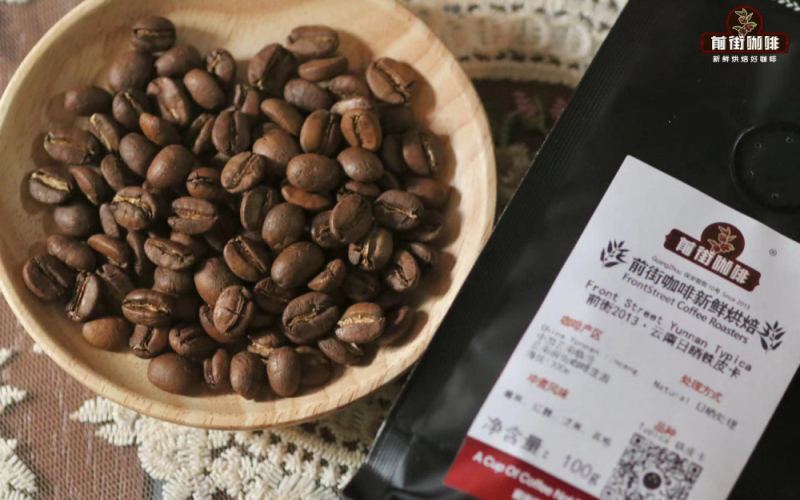
Yunnan Small-Bean Coffee: A Complete Guide to Variety Tracing, Grading Systems, and Pour-Over Flavor Analysis
Yunnan coffee began with the first coffee tree in Zhukula in 1904, and has gone through the era of Typica and Bourbon, the devastation of leaf rust, and the rise of Catimor, and is now moving toward a specialty path. This article will outline the planting history, variety changes, and grading system of Yunnan coffee, and take a deep dive into Front Street Coffee's hands-on practice of growing Typica in Lincang, as well as the pour-over parameters and flavor performance of Yunnan Arabica coffee, giving you a comprehensive understanding of this highland-producing region's past and present. [more…]